The Faces of Homeless
- 2 days ago
- 4 min read
Looking Beyond the Sidewalks in St. Joseph
More Than What We See
Nearly everyone in St. Joseph has seen it at some point. Someone sleeping on a park bench, a person pushing a shopping cart filled with everything they own, or someone standing at a busy intersection holding a cardboard sign asking for help.

These encounters often spark different reactions. Some residents feel compassion, others feel frustration, and many simply wonder how someone ends up in that situation. As homelessness becomes more visible throughout the city, it raises an important question that deserves more than a quick opinion on social media: Why is it happening, and what can St. Joseph realistically do about it?
Homelessness is one of the most complex issues facing communities across the United States, and St. Joseph is no exception. It affects not only the individuals who have nowhere to call home, but also businesses, neighborhoods, first responders, healthcare providers, and taxpayers. There are no simple answers because there is no single cause.
The Reality Behind the Numbers
Official counts suggest homelessness in St. Joseph fluctuates from year to year, but local organizations caution that those numbers only capture a snapshot of one night. Many people experiencing homelessness never appear in those statistics because they are sleeping in vehicles, staying temporarily with friends or relatives, living in abandoned buildings, or moving from couch to couch. These individuals are often referred to as the "hidden homeless."
While statistics help paint part of the picture, they cannot tell the stories behind the numbers. Every person experiencing homelessness has taken a different path to get there, and understanding those paths is essential if the community hopes to make lasting progress.
There Is No Single Cause
One of the biggest misconceptions about homelessness is that everyone arrived there for the same reason. In reality, every story is different.
Some people lose a job and quickly fall behind on rent before finding themselves with nowhere to go. Others escape abusive relationships with only the belongings they can carry. Veterans may struggle with post-traumatic stress, while others face untreated mental illness that makes maintaining employment or housing incredibly difficult. Addiction, serious illness, unexpected medical bills, disability, family conflict, and the rising cost of housing can all contribute to someone losing their home.
For many, homelessness isn't caused by one life-changing event. It's the result of several setbacks happening at the same time until there are simply no options left.
The Impact on the Entire Community
Homelessness affects far more than the individuals living without stable housing.
Business owners want customers to feel comfortable shopping downtown. Families expect parks
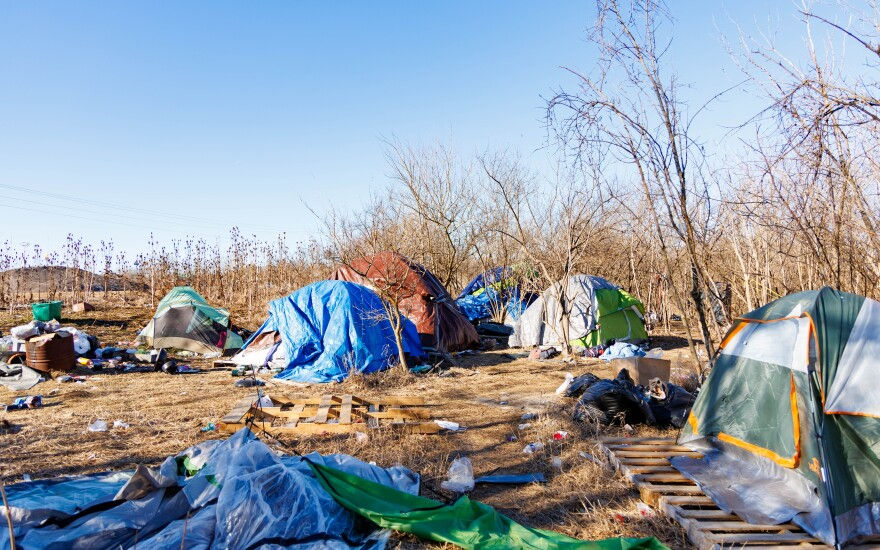
and public spaces to be safe and welcoming. Police officers and emergency responders are often called to situations involving people who need social services more than criminal enforcement. Hospitals frequently treat individuals with nowhere to recover after being discharged.
These challenges affect everyone, which is why finding solutions requires cooperation between local government, nonprofit organizations, healthcare providers, businesses, and residents.
What St. Joseph Is Already Doing
St. Joseph is not starting from scratch. Several organizations work every day to help people experiencing homelessness by providing emergency shelter, meals, clothing, healthcare referrals, addiction recovery programs, employment assistance, and connections to permanent housing.
Groups such as the Salvation Army, the YWCA, local churches, United Way partner agencies, and numerous volunteers provide services that often go unnoticed by the general public. While these efforts have helped many individuals rebuild their lives, local leaders acknowledge that the need continues to exceed available resources.
Lessons from Other Cities
Communities similar in size to St. Joseph have discovered there is rarely a single program that solves homelessness. Instead, the cities making the greatest progress tend to combine several approaches.
They invest in mental health treatment and addiction recovery while also expanding affordable housing and job placement programs. Many have dedicated outreach teams that build relationships with people living outdoors before connecting them with services. Others have strengthened partnerships between law enforcement, hospitals, nonprofits, and local employers so that individuals receive coordinated support instead of navigating multiple disconnected systems.
Perhaps the biggest lesson is that long-term success comes from addressing the causes of homelessness, not simply relocating the people experiencing it.
What Could Work in St. Joseph?
No solution will eliminate homelessness overnight, but there are practical steps the community could explore.

Expanding access to mental health services and addiction treatment would address two of the most common barriers preventing people from maintaining stable housing. Increasing affordable housing options would help families avoid homelessness in the first place, while stronger partnerships with local employers could create more opportunities for people ready to return to work. Prevention programs that help residents avoid eviction may also reduce the number of people entering homelessness before a crisis becomes even more difficult to solve.
Many experts also emphasize better coordination between agencies so individuals don't have to navigate multiple organizations on their own while trying to rebuild their lives.
A Community Conversation Worth Having
Homelessness should never become a political talking point or an issue that is simply ignored. Behind every person sleeping outside is a life story, a family, and a series of circumstances that brought them to where they are today. At the same time, business owners, neighborhood residents, and taxpayers deserve clean, safe, and welcoming public spaces.
Those two realities can exist at the same time.
The challenge facing St. Joseph isn't deciding whether to care about people experiencing homelessness or about the concerns of the broader community. The challenge is finding solutions that accomplish both. That won't happen through blame or division. It will happen through honest conversations, thoughtful policies, community partnerships, and a shared commitment to helping people rebuild their lives while protecting the quality of life that every resident deserves.


Comments